

Let me start with a confession that’s going to make every IT professional in my extended family (you know who you are) disown me… more. Until two weeks ago, I didn’t have an author website. Not a functioning one, anyway. Not even an ugly one with Comic Sans font and a photo of me from 1996 looking like I was in a Duran Duran tribute band. And, yes, I do have that photo…
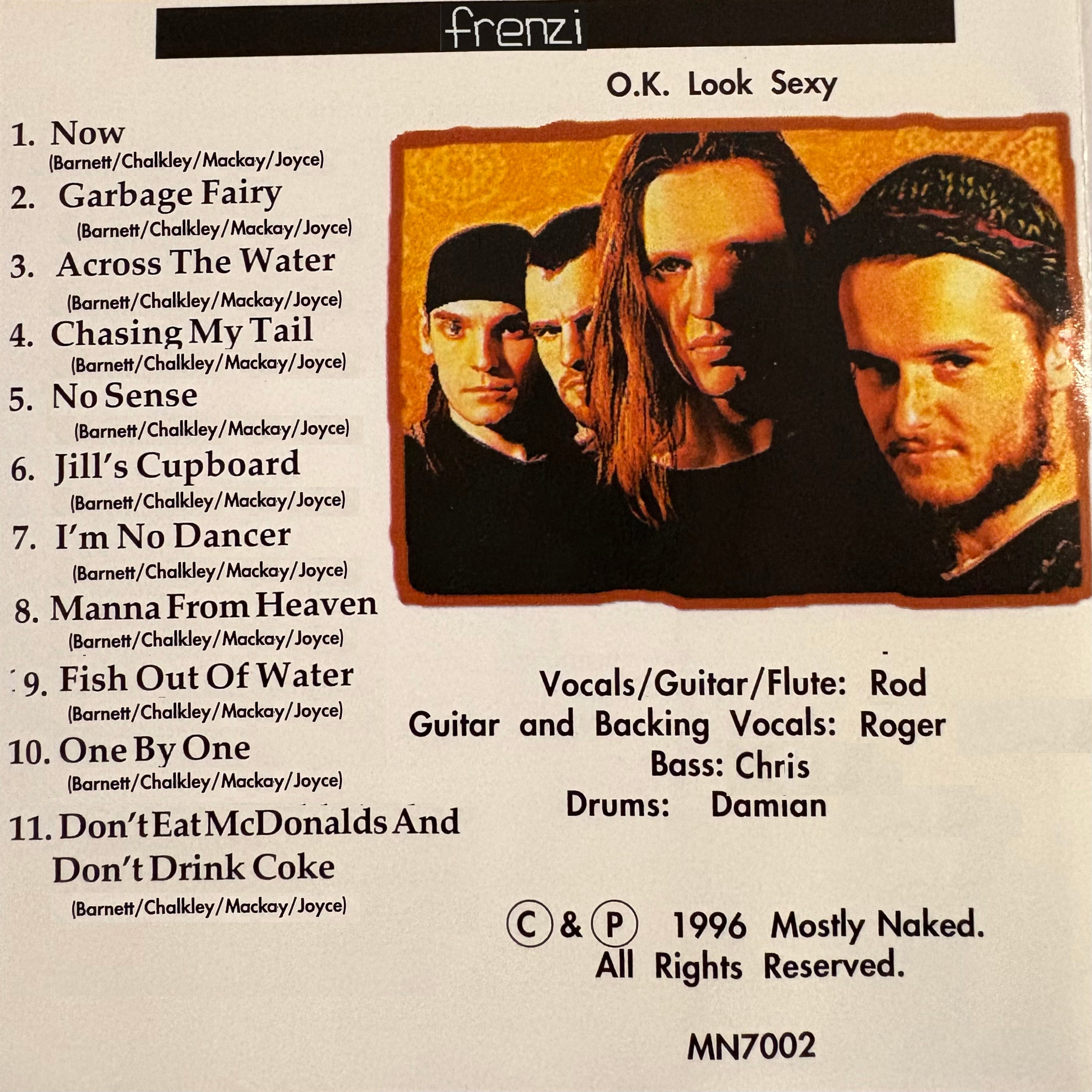
Not having a website is even a bit more embarrassing than that photo because I’ve spent the last thirty years fitting in an IT career around my writing, which means I’ve spent three decades telling other people why they absolutely, definitely, no-question-about-it needed websites for their businesses while I sat there like a cobbler whose children have no flippers. Or is that roe. (Sorry about the fishy humour.)
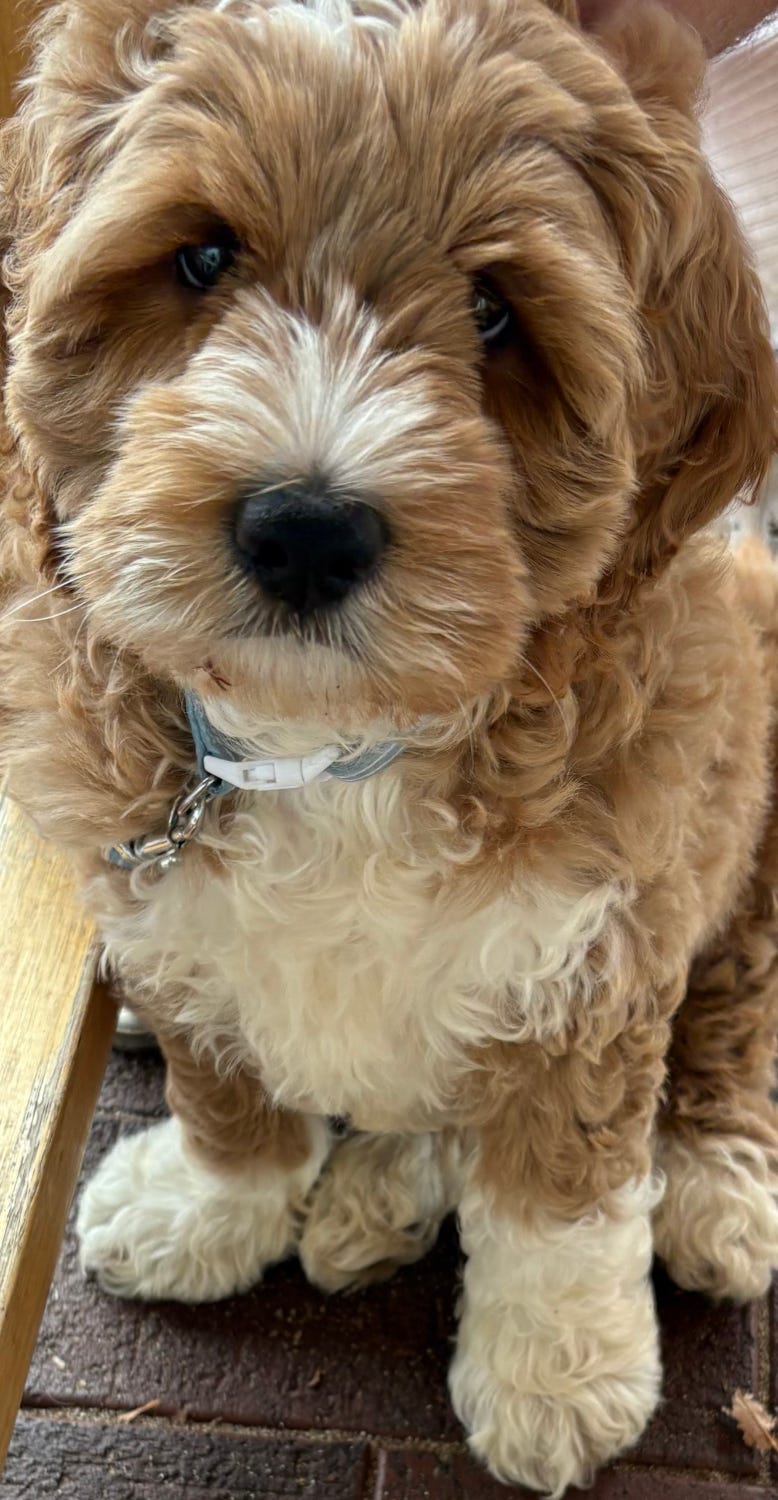
The excuses I made to myself were possibly the most creative thing about my writing. ‘I’m not published yet, so what’s the point?’ ‘I’ll wait until I have something to promote.’ ‘Social media is enough. Ah… no, I don’t have any of that either… obviously… because… well… excuse number one.’ ‘I’ll build one when I get an agent.’ ‘I’ll build one when my agent lands a publisher.’ ‘I’ll build one when I win the Nobel Prize for Literature and someone forces me at gunpoint and Arthur holds up his paws and barks, I warned you it’d come to this!’
Here’s what I learned after finally listening to Arthur and building one. A website that is. There will only ever be one Arthur.
Your Website Is Your Most Important Publication
This might sound dramatic, but your author website is arguably the most important thing you’ll ever publish. More important than your debut novel. More important than that short story from that competition you came second in. More important than that rant about potholes in your street. Okay, maybe not the pothole rant.
Why?
Because potholes are really annoying and… oh… hang on…
Because your website is the one, singular, standalone, isolated, oft quite lonely, place where you have complete control over how you’re presented to the world. It’s your single source of truth about your absolutely favourite topic… you! I mean… really… in a world where information about essentially that one-and-same you is scattered across seventeen different platforms, half of which you’ve forgotten you signed up for and the other half focused on potholes or essays about pineapple on pizza (don’t even start me), where is the real you?
When someone googles your name... and they will, oh, they will... what do you want them to find first? Not that embarrassing photo from your cousin’s wedding. I was just scratching, honestly. Not your LinkedIn profile from when you thought ‘synergistic solutions architect’ was a real job title. Not your Twitter rants about how sick you are of people ranting on Twitter. Not your website with your actual, professional, writing persona that says this person writes books worth reading and has writing credentials worth credentialing. Hang on. No, it is that last one. Pretty sure.
The Universal Website Checkpoint
Here’s a thought experiment. Imagine you’re an agent, editor, publisher, interviewer, podcaster, event organiser or an innocent, happy-go-unlucky reader who comes across a book blurb they like but wants to know more about the author before they invest their irrecoverable $3.99 and taxes. What’s the first thing you do?
Well, I obviously don’t know. But I would type the author’s name into a browser, expecting to find their website. It’s become such an automatic behaviour I don’t even think about it... like reaching for a coffee when I stop shaking... it’s human instinct.
What Happens When You Don’t Exist… Online
When people can’t find your author website, they tend to make assumptions. They just don’t have time between coffees and their insta feed to do anything else. And these assumptions aren’t particularly flattering.
Assumption #1: You’re an amateur. If you’re serious about writing, you’d have a website. It’s 2025, having a website is like having a Substack account. Don’t have one of those either? Wow. Just… like… wow.
Assumption #2: You’re AI. With AI-generated content everywhere, people are increasingly suspicious of authors who exist only as bylines without… like… any trace of being… like… actually human. Websites are your photo-id to the writer’s discotheque (they had large silver, spinning balls in the middle - ask your parents). Websites are where your bio lives. Where your personality lives. Where people can troll you without needing to dig too deep.
Assumption #3: You’re a figment of your own imagination. Okay, this one might be slightly unfair, but when someone can’t find any evidence that you exist, they start to wonder who is hiding behind what and why… but not for long… goodbye.
Point is, the absence of a website doesn’t create a neutral space... it creates a negative space. Like writer-antimatter. Why does that matter? People like to fill vacuums. With lint and assumptions. And those assumptions are rarely ‘this person is so mysterious and intriguing… much like this lint. Yum.’
The Pseudonym Question (Or: Please Don’t Make This Harder Than It Needs to Be)
While we’re talking about proving you exist, let’s address the elephant wearing a fake moustache over in the corner, eating popcorn and pointing at us. Rude.
Pseudonyms.
Gazoontite.
Look, I get it. Different genres, privacy concerns, separating your professional life from your romance novel about time-travelling vampires and talking cats. But here’s the thing: in an age where everyone’s worried about AI-generated content and fake authors, using your real name is one of the simplest ways… to be… or not to be… just like that old guy said. Your website, with your real name, your real photo, your real personality, is proof you’re an actual human being. Or that you have an uber-convincing AI fakery thing going on. Which would be impressive in itself.
Obviously, if you have genuine safety concerns... witness protection, stalker situations, writing politically sensitive material... that pimple that just won’t clear up long enough for the bio pic… then absolutely use a pseudonym. But ‘I’m embarrassed about writing romance novels’ doesn’t count as a genuine safety concern. Neither does ‘my colleagues might think it’s weird.’ Your colleagues are all weird. Just look at their websites!
That’s all I’ll say about that, except for this. Your name, your choice. Just… you know… authenticity matters more now than it used to. And it used to matter a whole lot. Nuff said. Except for this next bit…
All the Blockers Are in Your Head
Every excuse you’re making for not having a website is, I’m sorry to say… complete gibberish… like some posts about websites I’m currently writing. Let me briefly address the greatest hits. I have sung all of these before… hum along if you don’t know all the words.
‘I don’t know how to build a website.’ These days, you don’t need to know how to do things. You don’t need to know how to build a car to drive one. You don’t even need to know how to drive one to drive one. You can literally have a professional author website up and running in fifteen minutes using tools designed specifically for people like us. (Sort of gangly with close-set eyes.) Some guy even wrote a post about how to build and publish a website in 15 minutes. And has probably embedded a link about it in the Related Posts section below. High achievers feel free to be utterly convinced already and skip ahead to that one...
‘It’s too expensive.’ A domain name costs about ten bucks a year. (No, not ten male deers, Hank, the other bucks. No, not that Lightyear guy.) Website hosting starts at around ten dollars a month. That’s less than you spend on coffee in a day… or spend on a coffee in a coffee at most airports. But, unlike hideously overpriced coffee, your website won’t give you the jitters or make you need to pee… unless it’s got that pimple photo on it.
‘I don’t have anything to put on it.’ You have a bio. Don’t you? If you answered ‘no’ or ‘not yet’ or ‘not until I get back from the space station,’ then… you better get cracking on that one. Some guy’s about to post about writing bios soon, too. So you should probably keep an eye out for that one. Meanwhile, you have at least one thing you’ve written, even if it’s just that letter to the council about the potholes. You have opinions about books, writing and probably seventeen other things that keep you awake at night, or make you sleep soundly... I’d be genuinely interested to hear about those. That’s plenty to start with.
‘I’ll wait until I’m published.’ That’s like saying you’ll wait until you’re married to start dating. That can get really messy. Your website is part of the process of becoming published, not something you do afterwards. Agents and publishers (or readers if you’re a selfy) increasingly expect to find an online presence when they’re considering new authors. Especially old new-authors!
‘I’m not ready.’ Nobody’s ever ready. Like… for anything. I wasn’t ready to have children, but here we are. And somehow they’ve survived to adulthood despite my complete lack of qualification for the job. Your website doesn’t need to be perfect... it just needs to exist. Like my kids. Who are just coincidentally also perfect.
We Live in the Age of No Difficult Technology
Here’s something that would blow the minds of writers from even twenty years ago: building a website is now easier than formatting a manuscript used to be. We live in an age where AI (yes, I said the AI word) can generate a complete website in under a minute, based on a few simple questions. The technology that used to require a computer-science degree is now so user-friendly Arthur could figure it out and implement it, if lack of opposable thumbs weren’t dogging him so doggedly.
The hardest part of having a website in 2025 isn’t the technical side... it’s choosing the technical side… from the hundred and seventy different technically simple options out there. Complaining about it is like complaining there are too many flavours of ice cream when all you really wanted was something cold and sweet. Pick a flavour, already! Licorice! Are you mad?
Your Website: The Official You
Your website is your one source of truth. Social media platforms get sold to eccentric billionaires or change their algorithms so often you suddenly can’t follow your own rambling train of thought… like some posts I’ve read about making websites. Email signatures get lost. Business cards (they’re little squares of cardboard with your name printed on them - ask your parents) get thrown away. But your website, under your own domain name, is yours. Forever. At least in computing terms. Which is like a year-ish. You control it, you update it, and you don’t have to worry about whether the platform will still exist next year. Well… not much.
It’s also where you can show your personality in ways Twitter bios or Instagram captions just don’t cut it. You can be funny, thoughtful, weird, professional, or any combination thereof… weirdly professional… without worrying about character limits or whether your post will get buried under talking cat-vampire videos.
The Legitimacy Factor (Fake It Till You Make It Can Work)
Here’s something nobody talks about but everyone feels. Silk underpants. But also… having a professional website makes you feel more like a ‘real author.’ There’s something about seeing your name and photo and books (even unpublished ones) laid out on a clean, professional-looking site that makes the whole writing thing feel less like a hobby you do in your pyjamas and more like an actual career… you do in your pyjamas.
When you present yourself as a professional author, you start thinking of yourself as a professional author. When you start thinking of yourself as a professional author, you start acting like one of those author things, too. Eventually, other people might even start treating you like one, too, too. It’s a virtuous circle. Like Arthur eating cheese. Well, no, it’s nothing like that really, but hopefully I’d already made my point.
You Got This
I could keep listing reasons why you need an author website, and I shall, but we both know I’m preaching to the converted here. You already know you need one. You’ve known for ages. You’ve been making excuses for ages, too, because it feels big and scary and official, and don’t even start me on imposter syndrome. Sometimes I don’t even feel like I have the writing credentials to write imposter syndrome. But, deep down, you know sending out queries to industry professionals without having your own website is like sending out manuscripts without running them through spell check... it’s technically possible, but why on Earth2 would you? Like, really? Why?
So, stop making excuses, pick a platform that doesn’t make you want to throw your laptop out the window, and build the bloody thing. Your future published self will thank you, your current anxious self will feel slightly better, and your mum will finally have something to brag about to her friends that doesn’t involve you dressed as Thomas the Tank Engine.
After all, you’re a writer. You spend your time creating entire worlds and believable characters from nothing. Surely you can manage a few web pages about yourself. If you’re still worried about the tech, read my post on how to build a website in 15 minutes. Seriously. That is all it takes. For faster readers, that includes the time it takes to read the post!
Related Posts
How to Build an Author Website: In 15 minutes or less. I’m not even joking right now.
Bio Curious: Writing an Author Bio that won’t make you want to chew your own arm off.
And How’s Arthur?
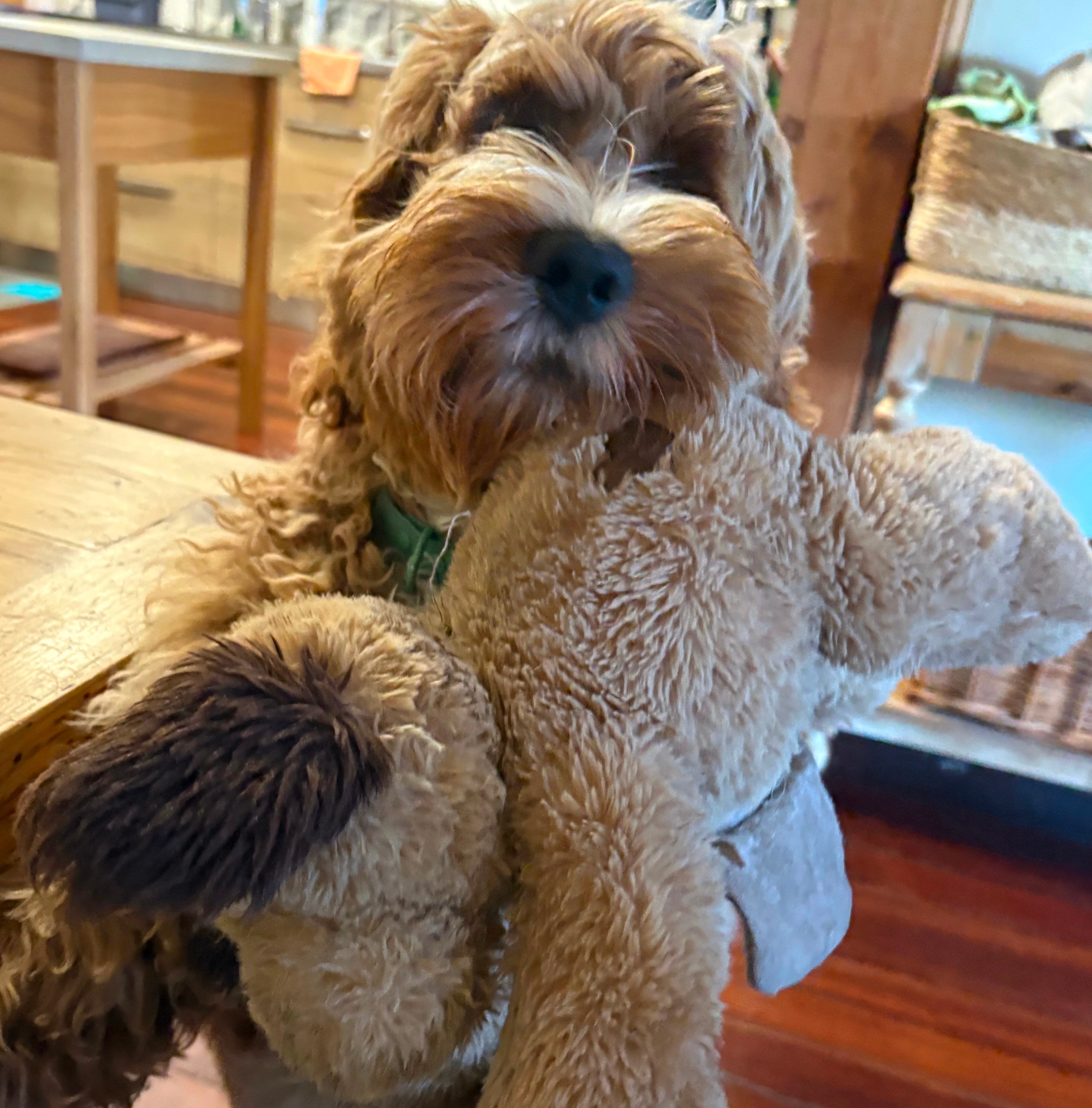
Arthur is going well, thanks for asking! Here he is supervising a beta reader. As you can see, he takes the processing of artistic feedback very sensitively.
Thanks for demystifying this part of a writer's world, Rod. The previous post sent me to Ter..... whatever its called and it was as simple as you said. I had a minor glitch as my first published book with an ISBN was one I ghost write for a Cambodian friend. So rather than Jim Pollock, my author website is Seng BouAddheka. The help team are fixing it so all good.